The Ohio Power Site Selection Board (OPSB) unanimously voted to reject the construction of a 94 MW agricultural photovoltaic project in Morro County, Ohio.
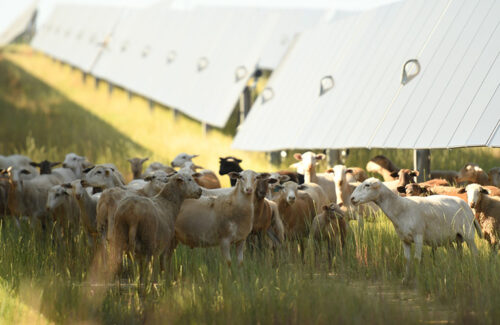
Open Road Renewables is developing the Crossroads solar grazing center on 570 acres of land between the towns of Cardington, Lincoln, and Westfield. The solar project will be built on several different plots of land in Moro County and will host sheep grazing activities. Open Road initially applied for project permission in February 2025, with a project schedule starting construction in 2027 and operation in 2028.
According to reports, Crossroads has obtained possible approval through the licensing process, but has faced local opposition during the public review period in the past few months. During this period, the majority of anonymously submitted comments were against the construction of Crossroads, and according to Canary Media, there were also 34 opposing comments submitted under pseudonyms.
The Ohio Environmental Commission intervened in this case to ensure that decisions are based on facts, fairness, and the long-term interests of the people of Ohio. When objective analysis is overturned and public opinion takes precedence over its substantive content, it weakens people's trust in the process and makes it more difficult to build the energy system needed in Ohio, "said Nolan Rutschilling, Executive Director of Energy Policy at the Ohio Environmental Commission. Simply put, Ohio now needs more clean energy generation to address the soaring costs associated with data centers and geopolitical pressures on the energy supply chain. Staff changed this decision at the last minute, creating an uncertain regulatory environment that will hinder future investments by energy developers
Although OPSB unanimously voted against the continued development of Crossroads, non voting state senator Kent Smith expressed concern that the committee may reject solar projects during a period of rising energy costs. At the same meeting, OPSB voted to approve a three-year extension of exemptions with Ohio natural gas supplier Columbia Gas and modified the certificates for proposed energy storage and solar projects. On Wednesday, the Ohio Public Utilities Commission (PUCO) also approved an increase in rates for Ohio AEP utility customers.
The goal of PUCO and the organization is to have sufficient supply and affordable electricity supply. If we were to deny the ability of solar energy to compete in the Ohio market, I believe this would lead to Ohio consumers artificially raising prices... I am concerned that this project may initially be approved but ultimately rejected. I think this is a dangerous thing for the state's capacity and reliability, "Smith said.
Another reason against solar energy is the state legislature. State Senators George Lang (R-52) and Mark Romanchuk (R-22) jointly drafted a bill that, if passed, would change Ohio's definition of "clean energy," which does not include wind, energy storage, or solar power. SB 294 will consider nuclear power and natural gas as clean energy sources. The bill is currently undergoing review by a Senate committee.

 español


 Sistema de montaje en tierra
 sistema de montaje en techo
 Sistema de montaje de cochera
 sistema de montaje de granja
 Easy Solar Kit
 sistema de seguimiento solar
 inversor solar
 Accesorios solares
 RM502, Sihai Smart Zone, No.189, Fanghu West Road, Huli District, Xiamen, Fujian, China.